

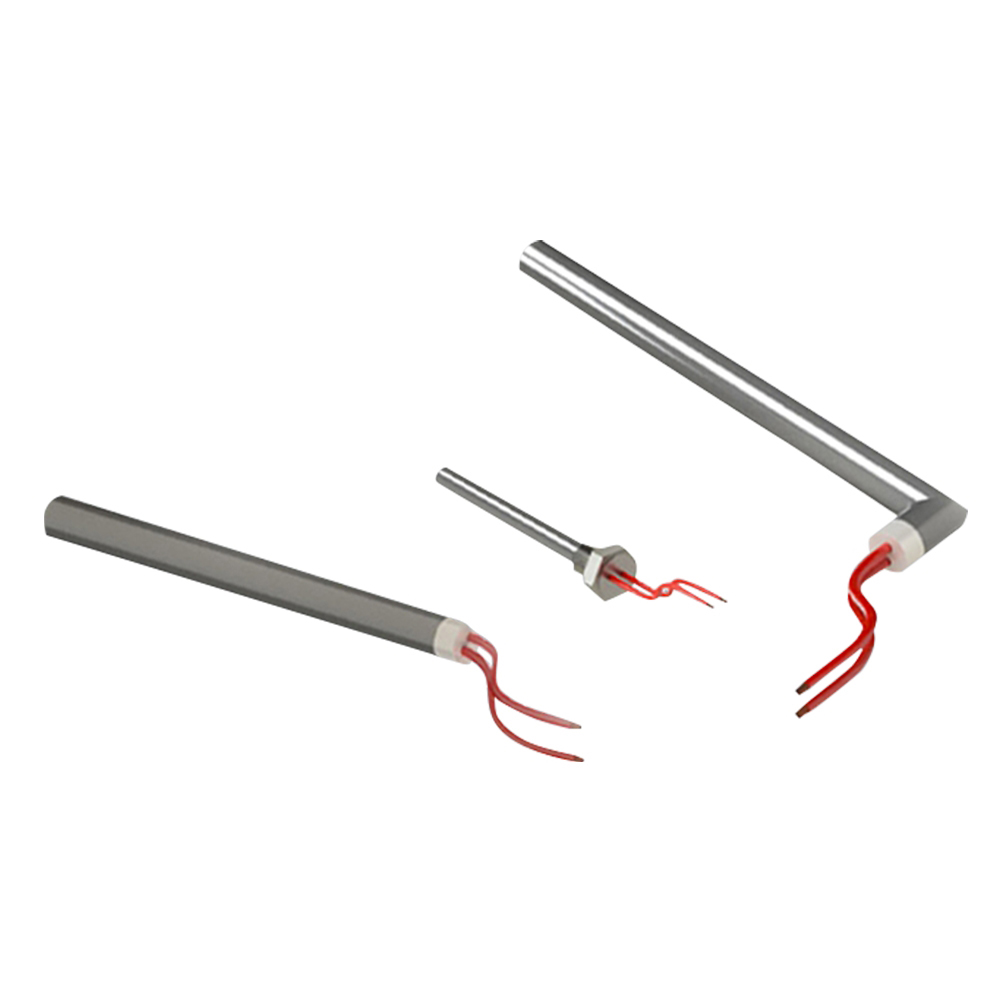
Tek Uçlu Borulu Isıtıcı, çok çeşitli endüstriyel uygulamalar için tasarlanmış çok yönlü ve veriml...
Elektrikli Isıtma Elemanı Üreticileri
-
-
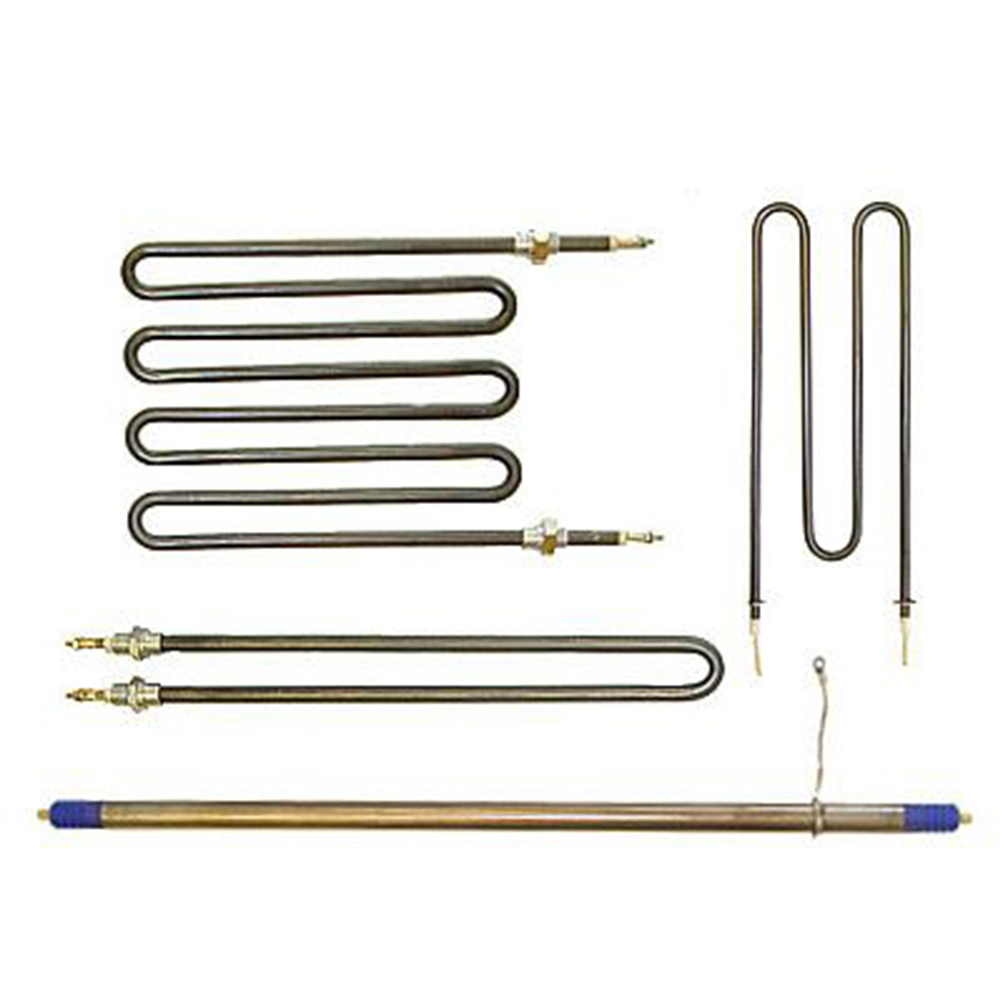 Yüksek Sıcaklık Endüstriyel Elektrikli Isıtıcı
Yüksek Sıcaklık Endüstriyel Elektrikli Isıtıcı, zorlu endüstriyel ısıtma uygulamaları için tasarl...
-
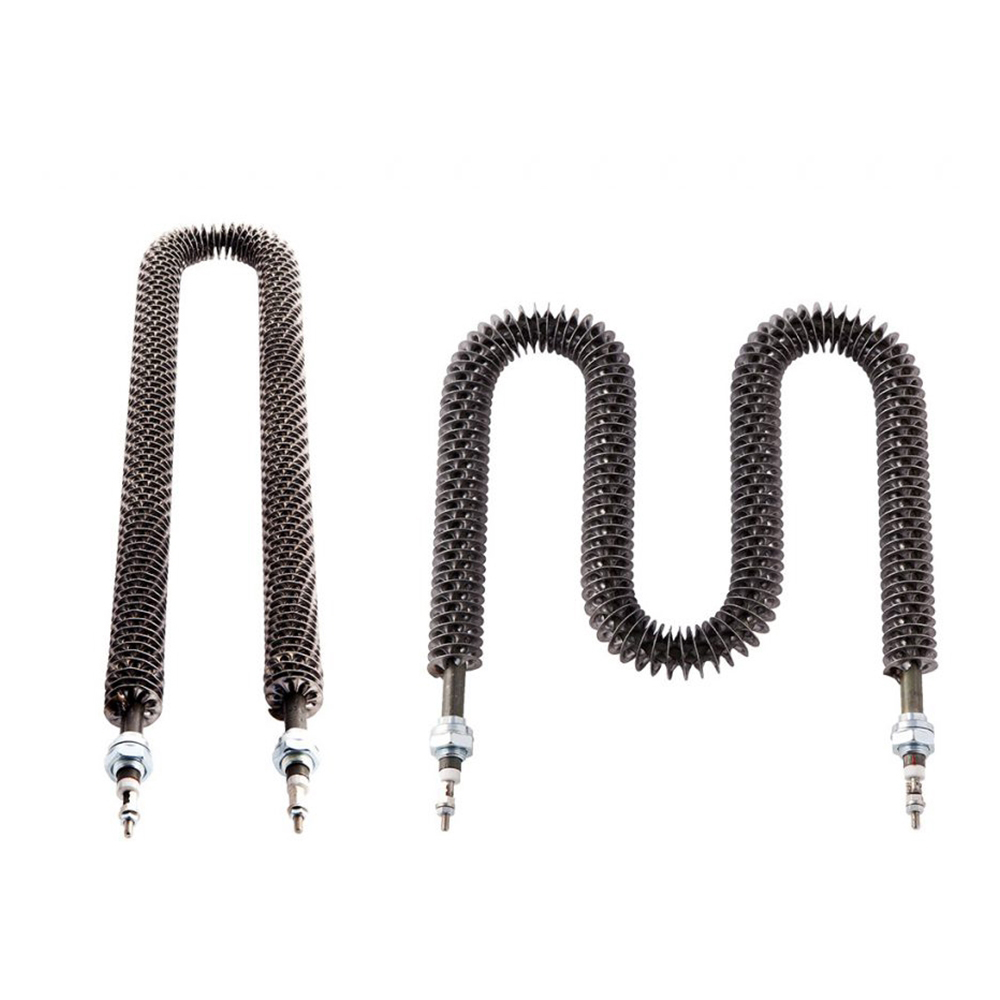 Isıtma Tesisleri için Kanatlı Borulu Isıtma Elemanı
Kanatlı Borulu Isıtma Elemanları, hava ısıtma uygulamalarında ısı transferini en üst düzeye çıkar...
-
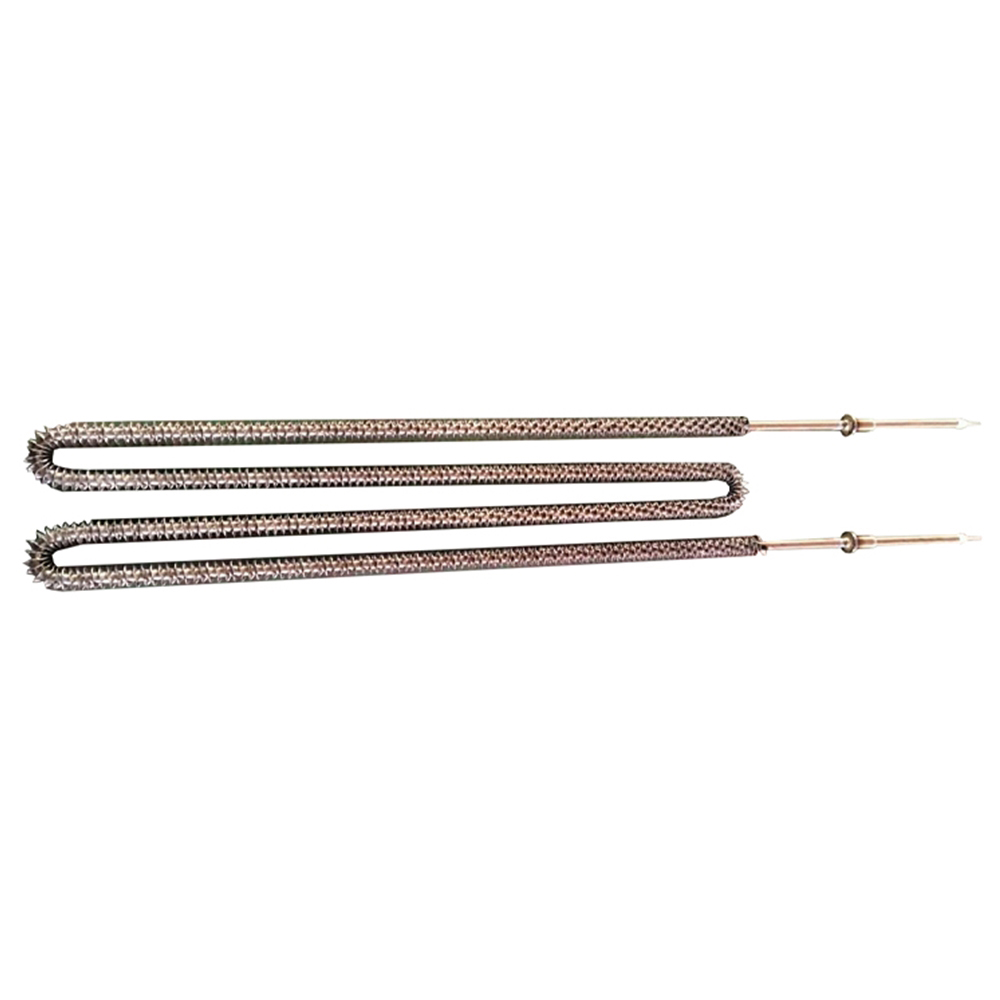 Uzun Ömürlü Nervürlü Borulu Isıtıcı
Nervürlü Borulu Isıtıcılar, yüzey alanını önemli ölçüde artıran sıkı sarılmış spiral kanatçıkları...
-
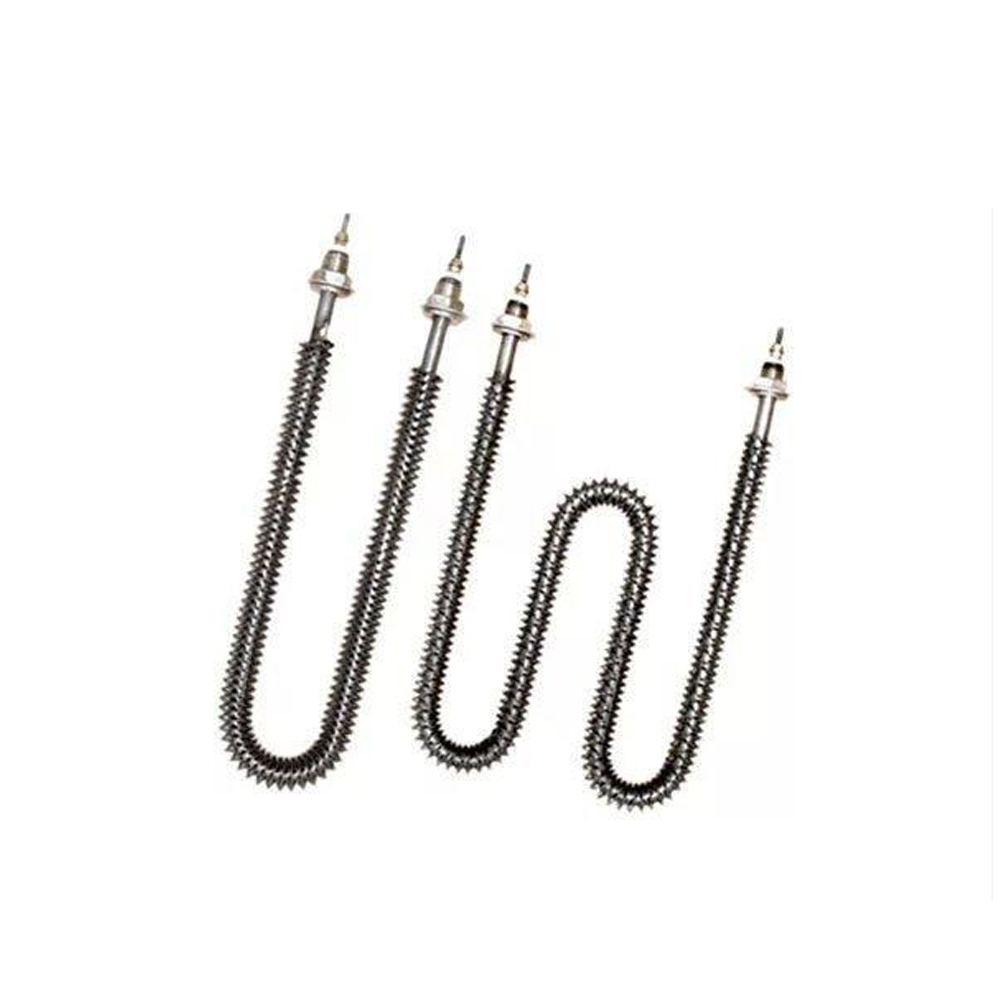 Elektro Galvanizli Çelik Kanatlı Nervürlü Borulu Isıtma Elemanı
Özelleştirilmiş Nervürlü Borulu Isıtma Elemanı, endüstriyel uygulamalarda verimli hava ve aşındır...
Isıtma elemanları, elektrik enerjisini verimli ve güvenilir bir şekilde ısıya dönüştürmek için tasarlanmış endüstriyel ve ticari ısıtma sistemlerinin temel bileşenleridir. Bu elemanlar, hassas ve tutarlı sıcaklık kontrolü sağlayarak proses ısıtma, HVAC sistemleri, su ısıtma ve endüstriyel ekipmanlar gibi uygulamalarda yaygın olarak kullanılmaktadır.
Nikel-krom alaşımları, paslanmaz çelik veya seramik gibi yüksek performanslı malzemelerden üretilen ısıtma elemanları, sıcaklıklara, yüksek watt yoğunluklarına ve zorlu ortamlara dayanacak şekilde tasarlanmıştır. Farklı uygulama gereksinimlerine uyacak şekilde boru, kartuş, şerit ve esnek tasarımlar dahil olmak üzere çeşitli formlarda mevcutturlar.
Modern ısıtma elemanları genellikle hızlı ısıtma yetenekleri, eşit ısı dağılımı ve entegre sıcaklık sensörleri gibi gelişmiş özellikleri bir araya getirerek performans ve enerji verimliliği sağlar. Endüstriyel prosesler, ev aletleri veya özel ekipmanlar için olsun, ısıtma elemanları etkili termal yönetim için dayanıklı ve özelleştirilebilir çözümler sunar.
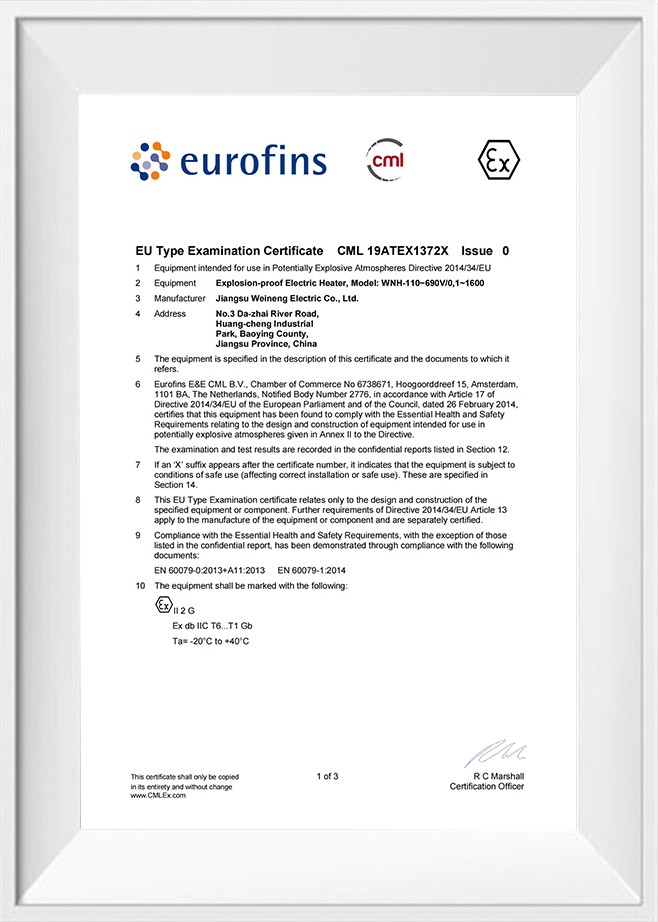
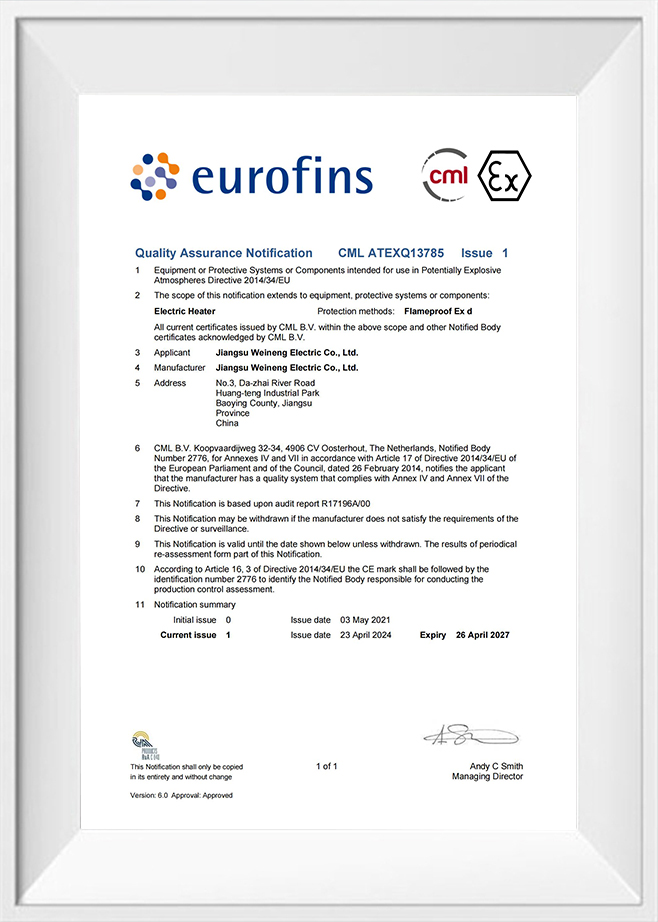
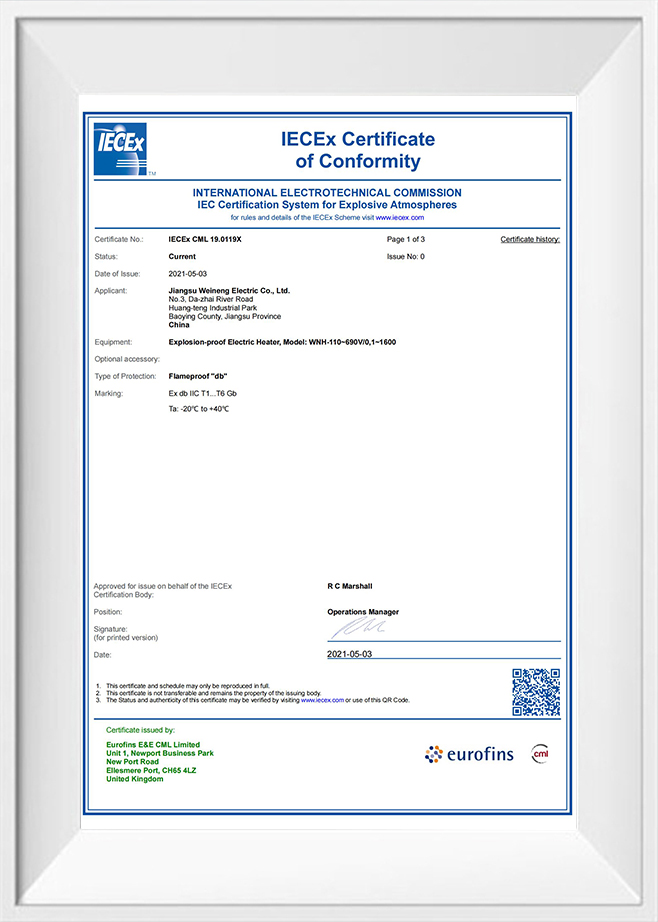
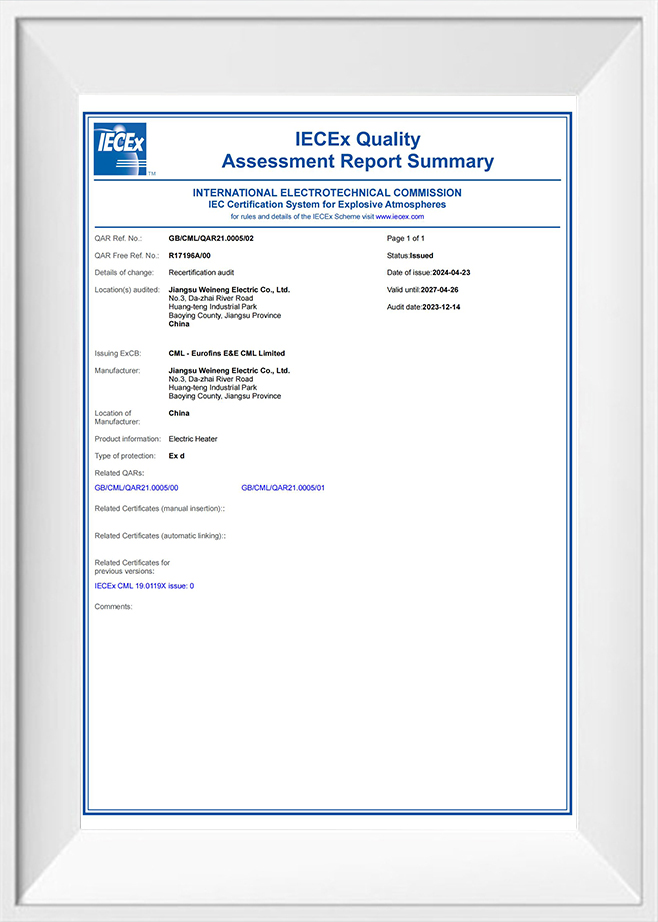
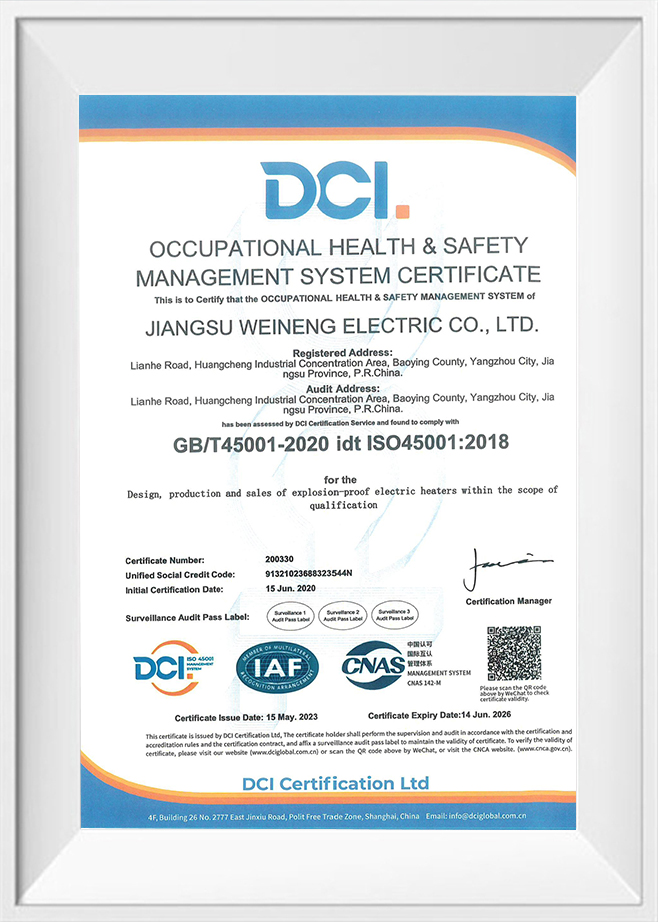
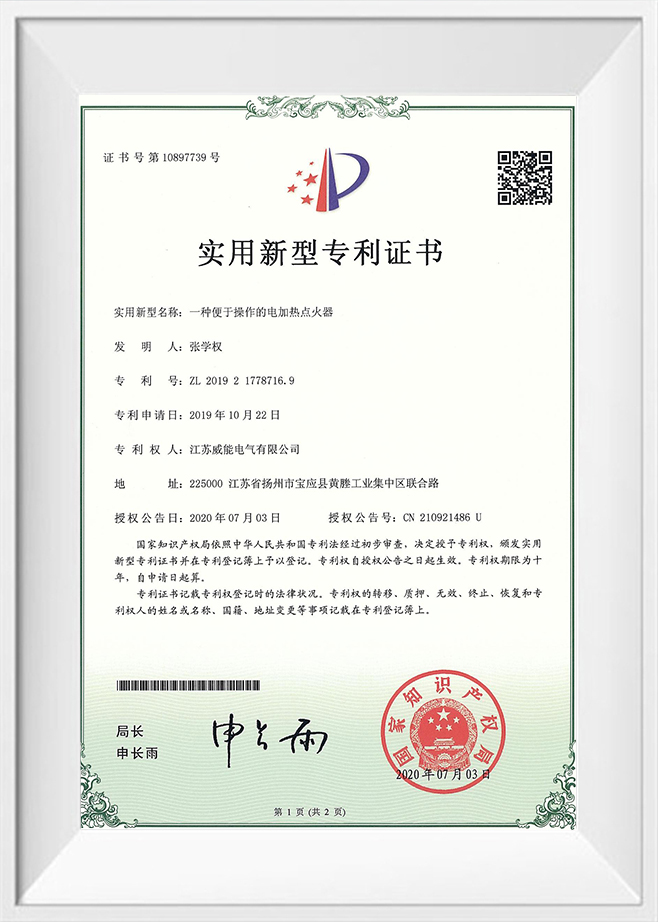
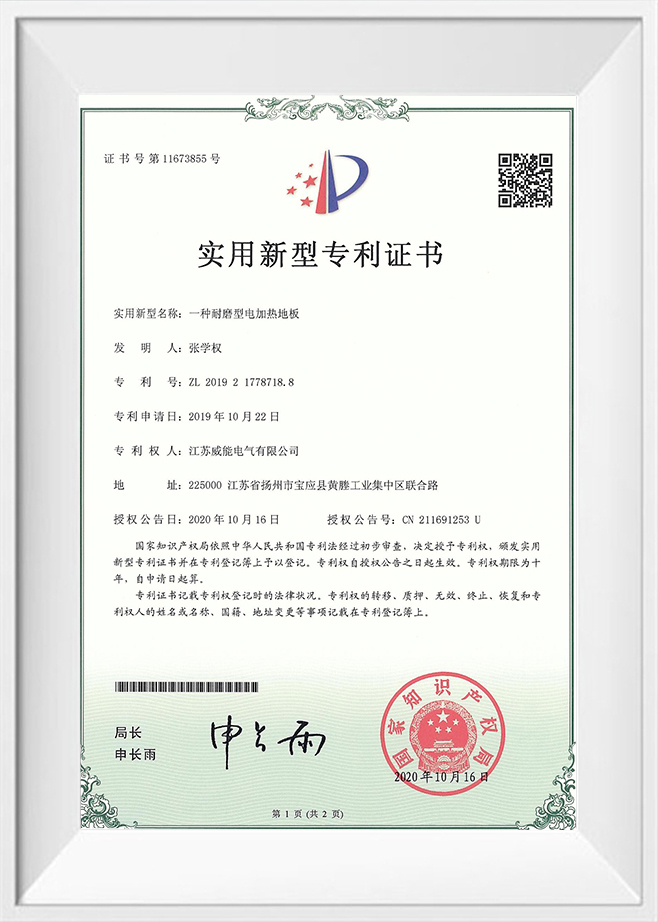
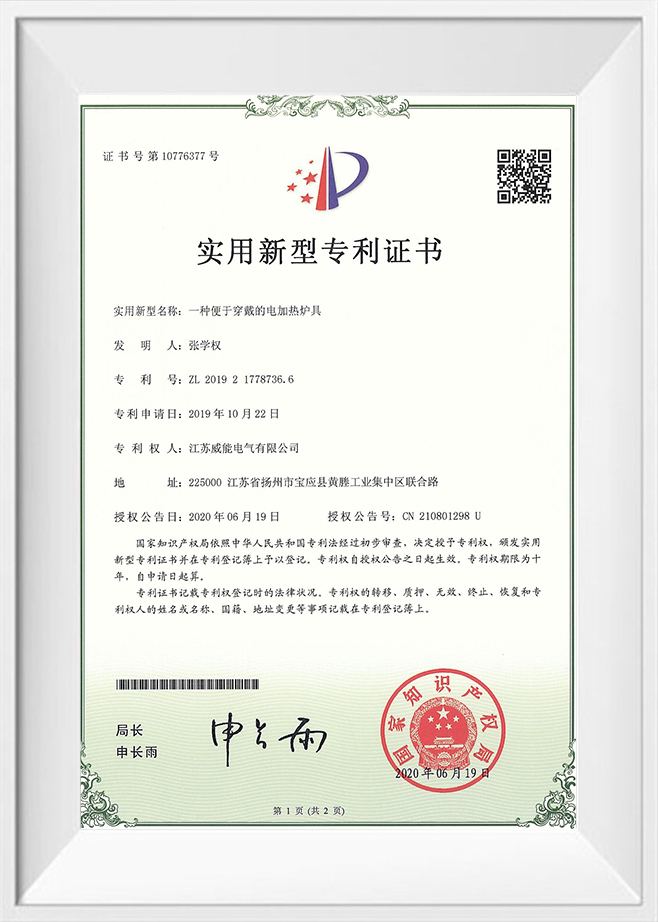
Sertifika
Jiangsu Weineng Electric Co., Ltd, 23 Nisan 2009'da kurulmuş olup, endüstriyel Elektrikli Isıtıcılar, Elektrikli Isı İzleme Kablosu ve Kontrol sistemlerinin araştırma, geliştirme, üretim, satış ve servisiyle uğraşan profesyonel bir üreticidir.
HAKKIMIZDA
Jiangsu Weineng Electric Co.,Ltd
Jiangsu Weineng Electric Co.,Ltd, 23 Nisan 2009'da kurulmuş olup, endüstriyel Elektrikli Isıtıcılar, Elektrikli Isı İzleme Kablosu ve Kontrol sistemlerinin araştırma, geliştirme, üretim, satış ve servisiyle uğraşan profesyonel bir üreticidir.
Olarak Çin Borulu Isıtıcı Üreticileri ve Borulu Isıtıcı Fabrikası, Jiangsu Eyaleti, Baoying İlçesi'nde uygun ulaşım bağlantılarına sahip bir konumdayız. Sıkı kalite kontrol ve düşünceli müşteri hizmetine adanmış olarak, deneyimli personelimiz ihtiyaçlarınızı görüşmek ve tam müşteri memnuniyetini sağlamak için her zaman hazırdır. Son yıllarda şirketimiz, güç doldurma makinesi, elektrikli basınç test pompası, gösterge torna tezgahı, LCD nokta kaynak makinesi, kurutma kabini, temizleme makinesi, kuru kumlama makinesi, otomatik boru bükme makinesi, dijital multimetre, yalıtım direnci ölçer, gerilime dayanıklı test cihazı dahil bir dizi gelişmiş ekipmanı tanıtmıştır. Şirketimiz teknolojik yenilikte ısrar etmektedir, profesyonel bir mühendislik ekibi oluşturmak için 3 mühendislik profesörü ve zengin deneyime sahip düzinelerce genç mühendisimiz bulunmaktadır. Yeni ürün araştırmak ve geliştirmek için üniversiteler ve akademilerle işbirliği yapıyoruz. Ayrıca IEcEx, ATEX, ISO sertifikalarını aldık. Çin genelinde tüm şehir ve illerde iyi satıyoruz, sunuyoruz Özel Borulu Isıtıcı. ürünlerimiz ayrıca Orta Doğu, Güneydoğu Asya, Amerika ve Avrupa gibi ülke ve bölgelerdeki müşterilere ihraç edilmektedir. OEM ve ODM siparişlerini de memnuniyetle karşılıyoruz. Kataloğumuzdan mevcut bir ürün seçmek veya uygulamanız için mühendislik yardımı aramak olsun, tedarik ihtiyaçlarınız hakkında müşteri hizmet merkezimizle konuşabilirsiniz.Mesaj Geri Bildirimi
Son Haberler
Sektör fuar bilgilerimiz ve şirketimizdeki son etkinlikler hakkında bilgi edinin.
-
ATEX ve IECEx Sertifikasyonu: Patlamaya Dayanıklı Alıcılar için Temel Farklılıklar
Yanıcı bir solvent içeren bir tanka girecek elektrikli daldırma ısıtıcısının teknik özellikler sayfasının önünde duruyorsunuz. Bir tedarikçi üni...14 -
ATEX ve IECEx: Temel Farklılıklar ve Tehlikeli Alanlar için Sertifikalı Ekipman Nasıl Seçilir
Uçucu bir proses akışı için bir elektrikli ısıtıcı seçtiğinizde genellikle ortaya çıkan ilk teknik soru, bunun ATEX sertifikasına mı, IECEski se...09 -
ATEX Certification Meaning: What It Means for Industrial Heating Equipment
You are standing in a chemical plant, reviewing a replacement immersion heater for a process vessel. The nameplate shows the marking II 2G Ex d ...01 -
Electric Heat Tracing: Cable Types, Applications, and Selection Guide for Pipes and Tanks
When a process plant loses heat along a pipe run, the result is rarely a sudden failure. It is a gradual problem: a viscous fluid becomes harder...24 -
Kablo Rakoru Boyutlarının Açıklaması: Metrik ve PG Tabloları, Ölçüm İpuçları ve Seçim Kılavuzu
Kablo Rakoru Boyutlandırması Gerçekte Nasıl Çalışır? Bir mühendis, dört çekirdekli 10 mm² kablo için M25 rakor sipariş etti, ancak kablonu...17
Isıtma elemanları Sektör Bilgisi
Understanding Heating Element Materials: How Composition Impacts Efficiency and Application Suitability
When it comes to the performance and reliability of any electric heating element, the choice of material is far from a trivial decision—it forms the backbone of how well the component will function under specific operational conditions. Whether it’s a tubular heater used in heavy-duty industrial machinery or a compact strip heater integrated into a home appliance, the internal structure and elemental composition are decisive factors in ensuring long-term thermal efficiency and mechanical durability.
The most commonly used materials in heating element manufacturing are nickel-chromium alloys, stainless steel, and ceramics. Nickel-chromium, often referred to as nichrome, offers excellent resistance to oxidation and maintains stable electrical resistance even at elevated temperatures. This makes it an ideal core for many electric heating elements, especially where uniform and high-temperature heating is required over extended periods. Meanwhile, stainless steel variants provide corrosion resistance and mechanical strength, making them suitable for humid environments or applications where exposure to chemicals is a concern.
Ceramic materials, although more fragile, serve an important role in certain specialized configurations, particularly where electrical insulation is critical or where radiant heating is preferred. Their insulating properties help prevent energy losses and support higher thermal efficiencies in compact designs. Advanced ceramics also allow for higher watt densities without compromising safety, which is crucial for modern systems that demand compactness without performance loss. These materials often appear in cartridge and infrared heating elements tailored for precise thermal control.
The selection process doesn’t end with just choosing between nichrome and stainless steel. Different grades and alloying elements can significantly impact performance characteristics such as maximum operating temperature, flexibility, resistance to thermal cycling, and even weight. For example, in high-vibration industrial environments, certain grades of stainless steel can reduce mechanical fatigue over time, preventing premature failure. Similarly, nickel-rich alloys offer better creep resistance, crucial in continuous-use applications like ovens, plastic processing, or chemical reactors.
A well-designed tubular heater, for instance, relies not only on its shape or structure but on the specific interaction between its sheathing material and the internal heating wire. This synergy determines how evenly heat is transferred and how efficiently the system can reach and maintain target temperatures. Materials with poor thermal conductivity or mismatched expansion rates can introduce hot spots or stress points, leading to reduced efficiency and potential safety risks. For customers seeking performance, longevity, and reduced downtime, understanding these material dynamics is an investment in smarter sourcing.
From a manufacturer’s perspective, material choice is also closely tied to regulatory compliance and customization potential. Applications in the food, medical, and aerospace sectors, for instance, require materials that meet strict hygiene or safety standards. As a result, we not only test our heating elements for operational reliability but also ensure our materials meet global compliance requirements. This blend of precision engineering and high-quality materials is what sets apart a dependable electric heating element from a short-lived or underperforming one.
The material composition of a heating element isn't just a technical detail—it's a critical factor that defines its performance, safety, and application range. Whether you're designing a new product or sourcing for an existing system, partnering with a knowledgeable supplier who understands material science can make all the difference. With over a decade of experience in manufacturing and customizing tubular heaters and other industrial heating solutions, we help businesses find the right material match for their specific thermal challenges.
Telif Hakkı © Jiangsu Weineng Electric Co.,Ltd. Tüm Hakları Saklıdır.
OEM/ODM Elektrikli Isıtma Elemanı Fabrikası
